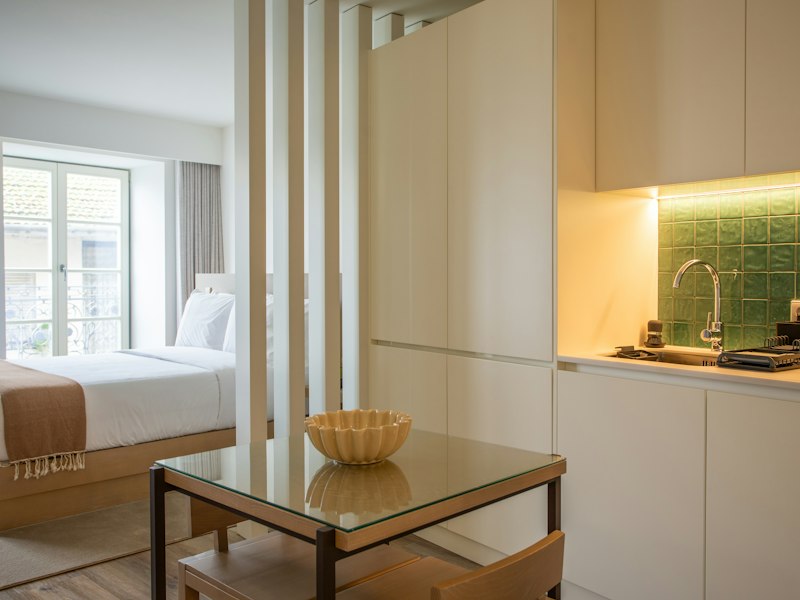
Studio on the canal
Canal ring · 10 minutes' walk to Dam Square
The whole of day one happens under your windows — you can walk back whenever you like.
from €165 per night
Check dates
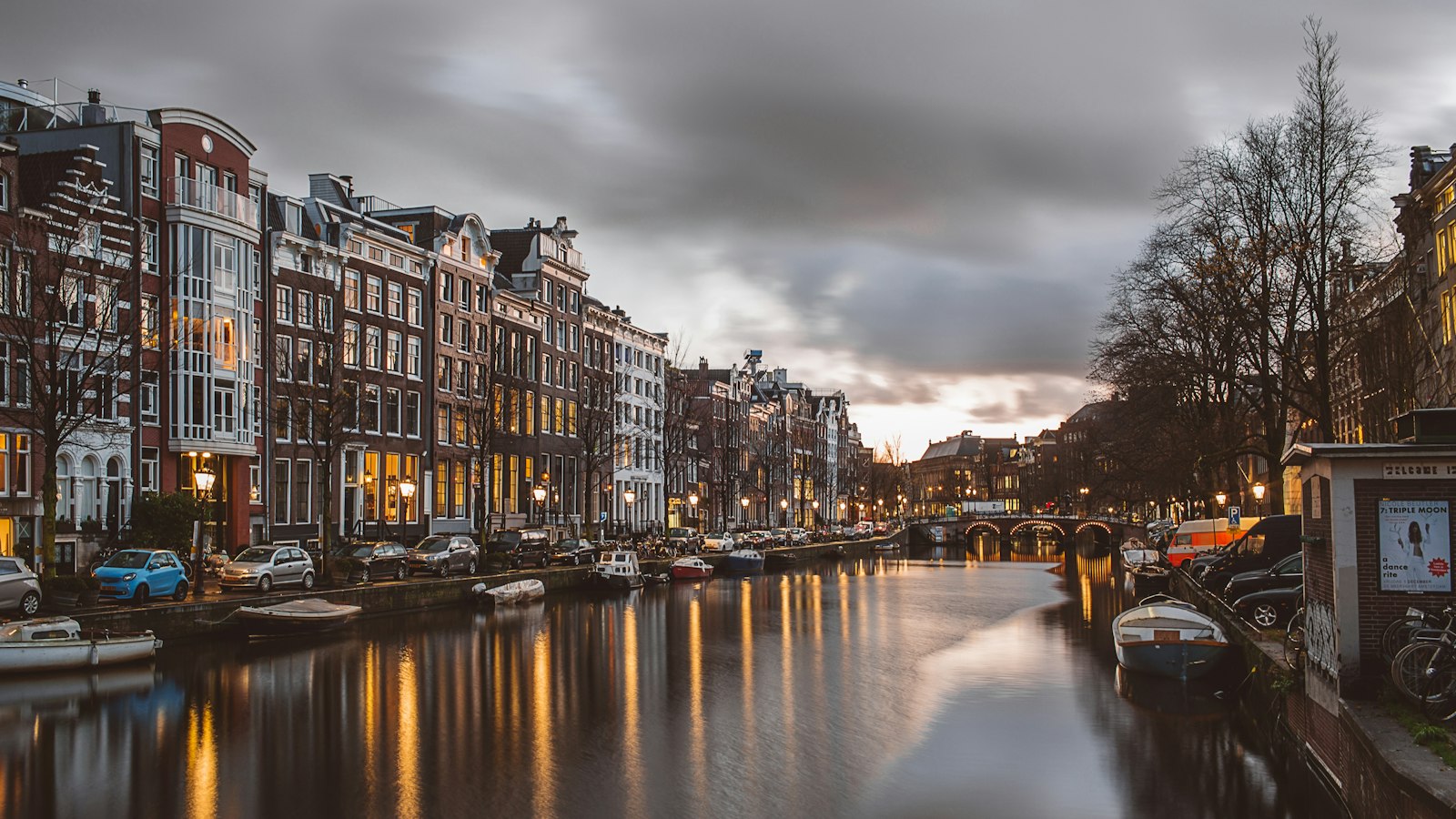
An itinerary you can actually walk: travel time between stops is built in, timed tickets are flagged, and the budget is spelled out — no “see everything in a weekend”.
Four things worth knowing before you buy the tickets.
April and May bring tulips and long daylight, September is warm and far less crowded. Winter is cheap, but it gets dark at 4:30 pm and the wind off the water is relentless.
The Rijksmuseum, the Van Gogh Museum and the Anne Frank House admit visitors by timed slot only. Anne Frank slots open six weeks ahead and are gone within a day.
You can cross the old centre on foot in an hour. For everything else there are GVB trams and metro, about €9 for a day ticket; the ferries across the IJ are free.
Amsterdam charges 12.5% of the room rate. You pay it at check-in, and booking sites usually leave it out of the headline price — the calculator below includes it.
Times include getting from one place to the next, not teleporting between them. Switch days below — each one works on its own.
About 6 km on foot · no advance tickets needed
Dam, Koninklijk Paleis
The heart of the city and a handy point to measure every other distance from. Go inside if you like interiors: 17th-century halls and an audio guide at the door. Outside are the New Church and the national war memorial.
Begijnhof
A silent 14th-century courtyard two minutes from the crowds: a lawn, a wooden house from 1528 and complete quiet — people still live here, so keep your voice down.
De 9 Straatjes
Nine short streets stitched between the canals: small cafés, cheese shops, vintage stores. A good place to try the local classics — herring in a bun, or apple pie with cinnamon.
Grachtengordel
The 17th-century canal ring is a UNESCO site, and it reads completely differently from the water. Boats leave every 20–30 minutes; the evening cruise costs more but the bridges are lit.
Bloemenmarkt
The only flower market in the world that sits on the water. Tulip bulbs come with an export certificate — without it they will not clear customs, so ask for the paperwork on the spot.
Leidseplein
A square of terraces, street musicians and theatres. After that it is either dinner here or a quiet walk back along the water — the lit canals are the best view of the day.
About 4 km on foot · two timed tickets, buy in advance
Rijksmuseum
It opens at nine, and for the first hour the galleries are nearly empty — the best time to stand in front of The Night Watch. Seeing all of it is impossible: pick two or three rooms you genuinely care about and let the rest go.
Museumplein
In good weather the easiest option is takeaway food on the grass — the square was made for it. The famous pond next to it becomes an ice rink in winter.
Van Gogh Museum
The largest collection of his work, hung chronologically — from dark peasant scenes to the last wheat fields. Tickets are online only and tied to an entry time; there is no ticket desk.
Vondelpark
The city's main park: ponds, cyclists, an open-air stage in summer. After two museums this hour matters as much as the museums did.
Jordaan
A former working-class district turned into the most liveable one: narrow streets, hidden courtyards, small galleries and cafés full of locals rather than tourists. Good for dinner.
About 3 km on foot · one ticket you must book well ahead
Anne Frank Huis
The house where the family hid for two years, and the bookcase that covered the entrance. It is quiet and cramped inside; afterwards it helps to sit by the canal rather than rush on.
Westerkerk
Anne Frank could hear these bells from the annex. The tower is open by guided tour every half hour — the stairs are steep, but the whole canal ring lies below you.
Amsterdam Noord, NDSM
Ferries leave the back of Central Station every few minutes and cost nothing — bicycles and people board together. On the far side is the old NDSM shipyard: murals, warehouses, a flea market at weekends. The A'DAM Lookout tower next door has a swing over the edge of the roof.
OBA Oosterdok
Seven floors, a lift to the top and an open terrace over the harbour and the old town — free, and almost tourist-free. A good place to say goodbye to the city.
If you would rather leave town: swap the north bank for Zaanse Schans — windmills, a cheese farm and green wooden houses, 17 minutes by train from Central Station. Half a day, about €8 each way.
The map loads only when you ask for it: until then the page makes no requests to third-party servers and opens faster.
Every stop fits inside a 3 × 3 km square — from Central Station to Museum Square.
Move the sliders and the total updates. Amsterdam's 12.5% city tax is a separate line on purpose — it is the one people forget to budget for.
We assume one night per day in the city.
Rooms sleep two, so three people means two rooms.
Return tickets, if you want them counted in.
—
These are ballpark figures: Amsterdam room rates jump at weekends and during big trade fairs. Souvenirs and the unexpected are not included — add 10–15% on top.
Your ticks are saved in your own browser: close the page, come back later, and they are still here. Nothing is sent to a server.
The Netherlands is in the Schengen area. Applications go through a visa centre by appointment, and in high season the calendar is booked weeks ahead — start about two months early.
Required for a Schengen visa: at least €30,000 of cover, for the whole trip and the whole area.
It must be valid for three months after you leave and issued within the last ten years.
A booking covering all your dates — asked for at the visa centre and sometimes at the border.
The Rijksmuseum, Van Gogh Museum and above all the Anne Frank House: online, for a set hour.
The Netherlands is almost cashless, but some cafés and market stalls take only local Maestro cards — keep a little cash as backup.
12.5% of the room rate, paid at check-in. Booking sites usually leave it out of the price shown, so count it separately.
This block is the reason the article exists: someone reads the itinerary and immediately sees where to sleep so that the itinerary works.
Canal ring · 10 minutes' walk to Dam Square
The whole of day one happens under your windows — you can walk back whenever you like.
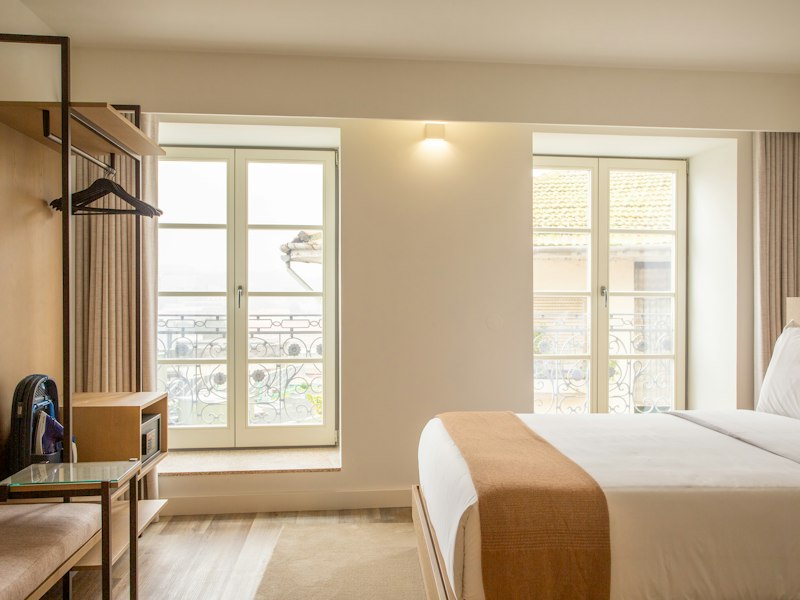
Oud-Zuid · 5 minutes to the Rijksmuseum
Worth it if day two is your day: you reach the museum before it opens without rushing.
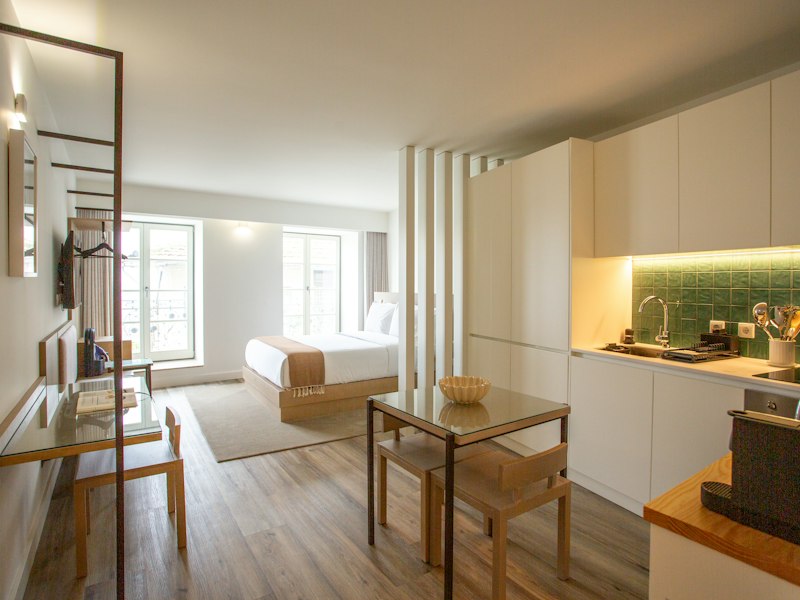
Jordaan · 15 minutes to Central Station
A quiet neighbourhood with cafés for locals. A good choice for a week, with a kitchen of your own.
In this demo the cards are filled in by hand. On a live site they are pulled from the real listings for the city the article is about, and the button opens the booking page with the destination already set.
For the city itself, yes — the centre is small. Not for the museums: there are more than seventy, and in three days it is sane to see two or three rather than race down a list.
It looks romantic, but not on day one: traffic is dense, cyclists have their own etiquette and the fines are real. If you want to, rent on day three and ride in the park.
The I amsterdam City Card pays off if you do three or more museums a day and use transport heavily. At the calmer pace of this itinerary, separate tickets work out cheaper.
Rain can arrive any day and usually passes quickly, but the wind off the water turns umbrellas inside out — a hooded jacket is more useful. Wear shoes you can do six kilometres in.
The page is built so the next article takes an evening to put together without touching the code: you replace the text and the photos, everything else keeps working.
app.js, one number per line. For another city you change those numbers.index.html and
en.html, linked with hreflang so search engines serve the right one.